✔ Competitive Pricing ✔ Quality Service ✔ Extensive Stock ✔ Experienced Staff





 01726 828 388


Reset Filter
 Price
PriceHearing Protection Guide
A Guide to Hearing Protection for Woodworkers
Whether you're building furniture in a garden workshop or running a professional joinery business, protecting your hearing should be a priority. Many woodworking machines produce noise levels capable of causing permanent hearing damage, often without immediate warning signs.
Hearing loss is irreversible, but the good news is that it is largely preventable through the proper use of hearing protection and sensible workshop practices.
Why Ear Protection Is Important
Repeated exposure to loud noise can damage the tiny hair cells inside the inner ear. Once damaged, these cells do not repair themselves.
Long-term exposure to excessive noise can result in:
* Permanent hearing loss
* Tinnitus (persistent ringing, buzzing or hissing sounds in the ears)
* Difficulty hearing conversations
* Increased fatigue and stress
* Reduced awareness of sounds and warning signals
Many woodworkers only notice hearing problems after years of exposure. That's why hearing protection should be worn every time noisy machinery is used, not just during long sessions.
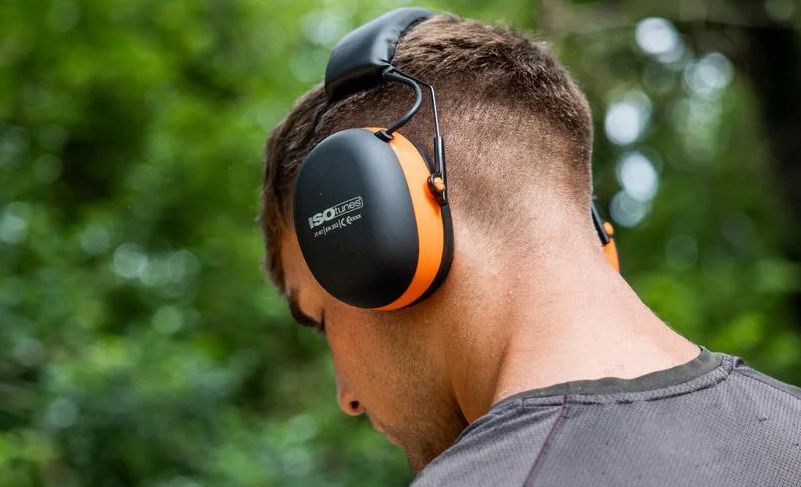
Understanding Noise Levels
Noise is measured in decibels (dB). Approx noise levels are as follows:
Normal coversation: 60 dB
Shop vacuum: 70-85 dB
Table saw: 9--100 dB
Router: 95-105 dB
Planer thicknesser: 95-100 dB
Mitre saw: 90-105 dB
As a general guideline, prolonged exposure above 85 dB can damage hearing.
In the UK, the Health and Safety Executive (HSE) sets noise exposure action levels under the Control of Noise at Work Regulations 2005.
* At 80 dB(A), employers must assess risks and make hearing protection available.
* At 85 dB(A), hearing protection must be provided and used where required.
* Exposure must not exceed 87 dB(A) after taking hearing protection into account.
Most powered woodworking machinery exceeds 85 dB(A), making hearing protection essential in both professional and hobby workshops. HSE also advises selecting suitable hearing protection without causing excessive overprotection.
Hearing Protection Ratings
In the UK, hearing protection is typically rated using the SNR (Single Number Rating).
The higher the SNR number, the greater the noise reduction provided.
SNR 20-24: light protection
SNR 25-29: medium protection
SNR 30+: high protection
For most woodworking tasks, an SNR rating between 25 and 35 is suitable.
Types of Hearing Protection
***
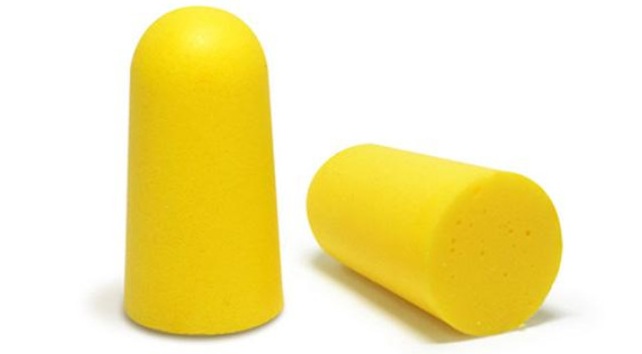
Foam Earplugs
Disposable foam earplugs expand inside the ear canal to create an effective seal.
Pros
* Excellent noise reduction
* Low cost
* Lightweight and comfortable when fitted properly
Cons
* Single-use
* Easy to fit incorrectly
* Can make communication difficult
Best For
* Planing
* Routing
* Extended workshop sessions
***
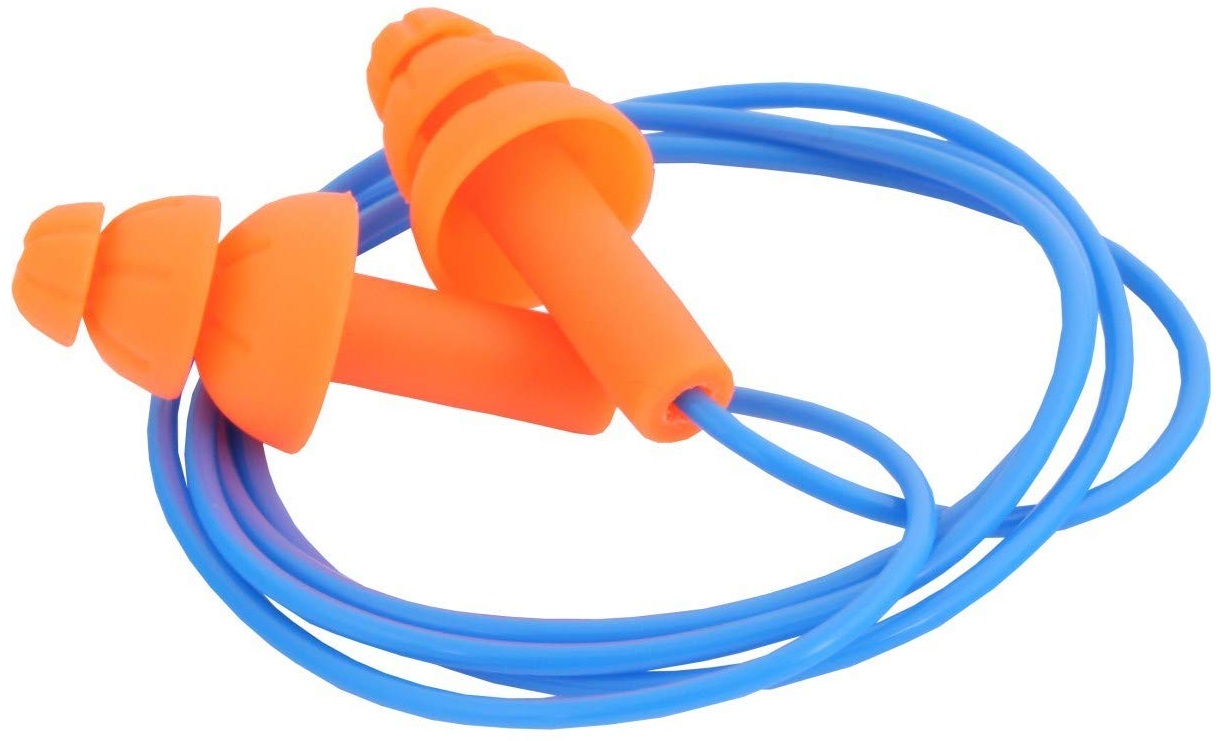
Reusable Earplugs
Made from silicone or rubber-like materials, reusable plugs can be cleaned and reused.
Pros
* Economical
* Easy to carry
* Better for regular users
Cons
* Lower protection than some foam plugs
* Fit varies by user
Best For
* General workshop use
* Mobile woodworking work
***
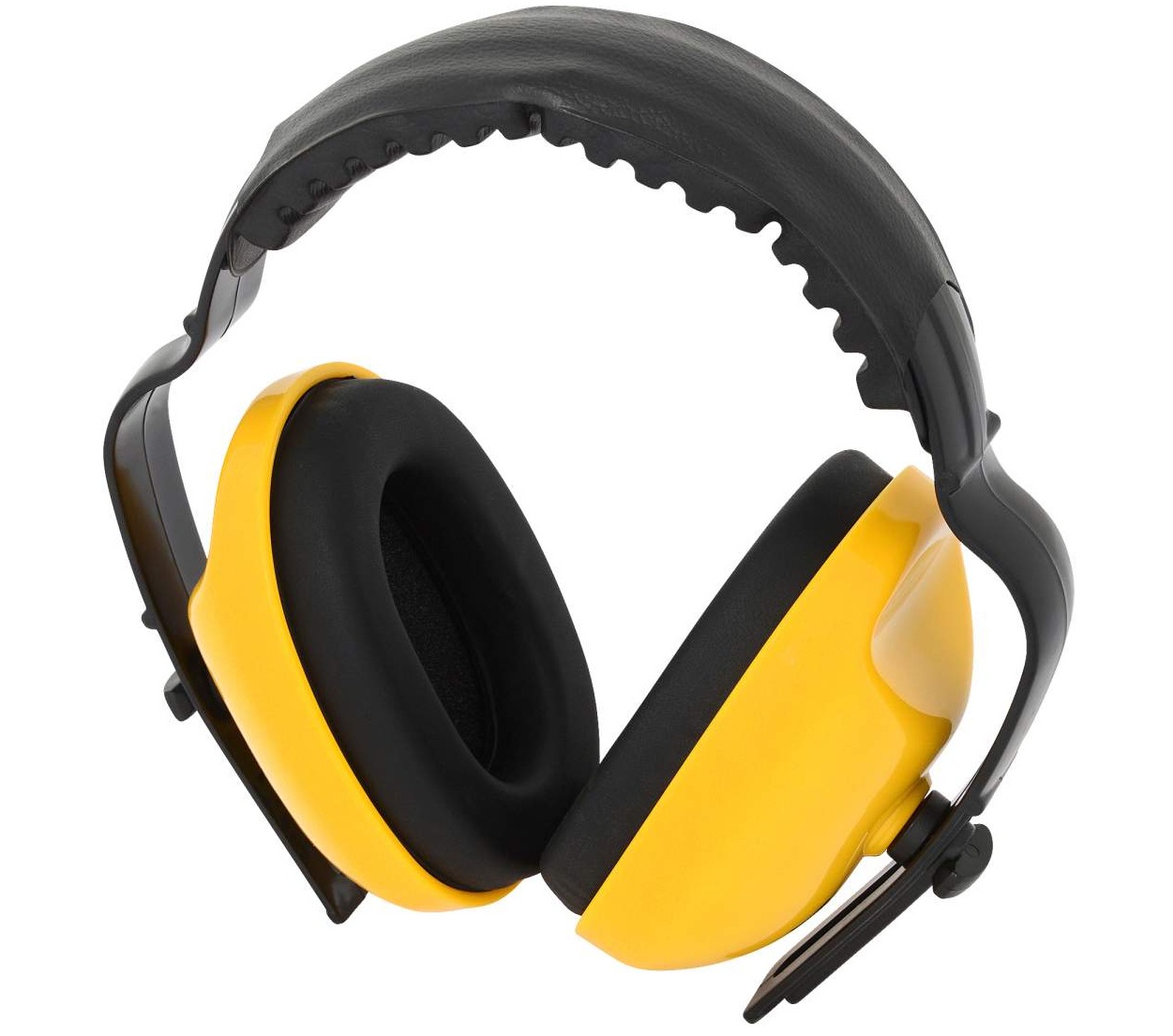
Ear Defenders
These fit over the entire ear.
Pros
* Easy to put on and remove
* Consistent protection
* Suitable for visitors and occasional users
Cons
* Can feel warm during summer
* May interfere with some face shields
Best For
* Workshop use
* Shared workspaces
* New woodworkers
***
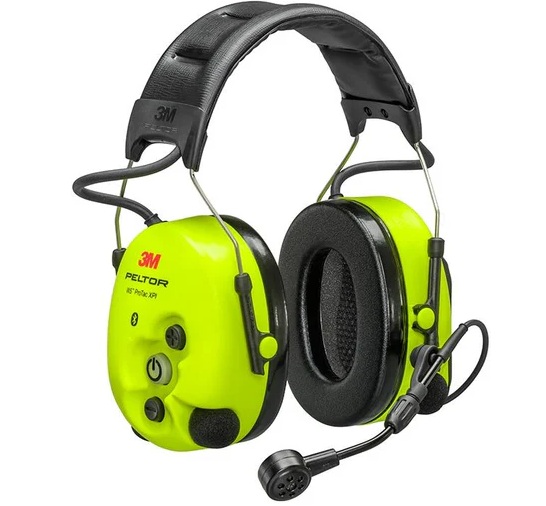
Electronic Ear Defenders
These reduce harmful noise while allowing speech and ambient sounds to pass through.
Pros
* Easier communication
* Improved situational awareness
* Comfortable for all-day wear
Cons
* More expensive
* Require batteries or charging
Best For
* Professional workshops
* Teaching environments
* Collaborative projects
***
Bluetooth Hearing Protection
Bluetooth earplugs and Bluetooth-enabled ear defenders have become increasingly popular with woodworkers. These products combine hearing protection with wireless audio, allowing users to listen to music, podcasts or take calls while working.
Pros
* Entertainment during repetitive tasks
* Reduced temptation to remove protection
* Convenient for lone workshop work
Cons
* Higher purchase cost
* Battery maintenance required
* Audio volume should be kept at sensible levels
Best For
* Sanding
* Assembly work
* Long workshop sessions
* Solo hobby woodworking
Important: Bluetooth audio should never be used as a substitute for proper hearing protection. Choose products certified as hearing protection and wear them according to the manufacturer's instructions.

***
Double Protection
Consider wearing both earplugs and ear defenders when:
* Using a thickness planer for long periods
* Operating a router extensively
* Running multiple machines simultaneously
* Working in a commercial or industrial setting
* Noise remains uncomfortable despite wearing hearing protection
Recommended Protection for Common Woodworking Tasks
Hand tool work e.g. hand planing, chiselling and hand sawing.
Hearing protection is generally not required, although ear protection should be kept readily available whenever powered equipment may be used.
Table saw.
Typical noise level: approximately 90–100 dB. We recommend ear defenders or quality earplugs, with a minimum SNR of 25.
Mitre saw.
Typical noise level: approximately 90–105 dB. We recommend ear defenders or electronic hearing protection, with an SNR of 25-30.
Router.
Routers are among the loudest tools found in most workshops. We recommend high protection earplugs or ear defenders with an SNR of 30+. It is worth considering double protection during prolonged use.
Planer Thicknesser.
One of the noisiest woodworking machines. We recommend high protection ear defenders, pair with foam earplugs underneath for extended use.
Surface Planer.
We recommend ear defenders or earplugs with an SNR or 28-35.
Sander.
For example, random orbital sanders, belt sanders and drum sanders. We recommend reusable earplugs or lighweight ear defenders with an SNR of 20-25. Bluetooth protection can be particularly useful.
Dust Extractors.
Continuous noise exposure is often underestimated. We recommend wearing hearing protection whenever extraction systems run for extended periods. Aim for an SNR or 20-30.
Tips for Protecting Your Hearing
1. Put hearing protection on before starting a machine.
2. Keep ear protection at every workstation.
3. Replace foam earplugs regularly.
4. Inspect ear defender cushions for wear.
5. Maintain machinery and use sharp blades to reduce noise.
6. Avoid removing protection between cuts during repetitive work.
7. Store hearing protection in a clean, dry place.
8. Consider periodic hearing tests if you spend significant time in noisy workshops.
Recommended Setup for Most Hobby Woodworkers
For a practical and cost-effective solution:
* Primary protection: Ear defenders rated SNR 28–32.
* Secondary protection: Disposable foam earplugs for particularly noisy machinery.
* Premium upgrade: Bluetooth earplugs or Bluetooth ear defenders certified for hearing protection.
* Heavy-duty option: Earplugs and ear defenders worn together for planers, routers and prolonged machine use.
A modest investment in quality hearing protection today can help ensure you still enjoy woodworking and good hearing for decades to come.

Ear Protection for Construction and Site Work
Many woodworkers also spend time on construction sites, renovation projects, timber framing, roofing, decking or general building work. Construction environments often combine multiple noise sources, creating a higher overall exposure than a typical workshop.
When working on active construction sites, however, users should ensure they can still hear warnings, alarms and instructions from colleagues. Electronic hearing protection that allows environmental sounds through while blocking harmful noise is often a better choice than listening to music at high volume.
Construction-Specific Considerations
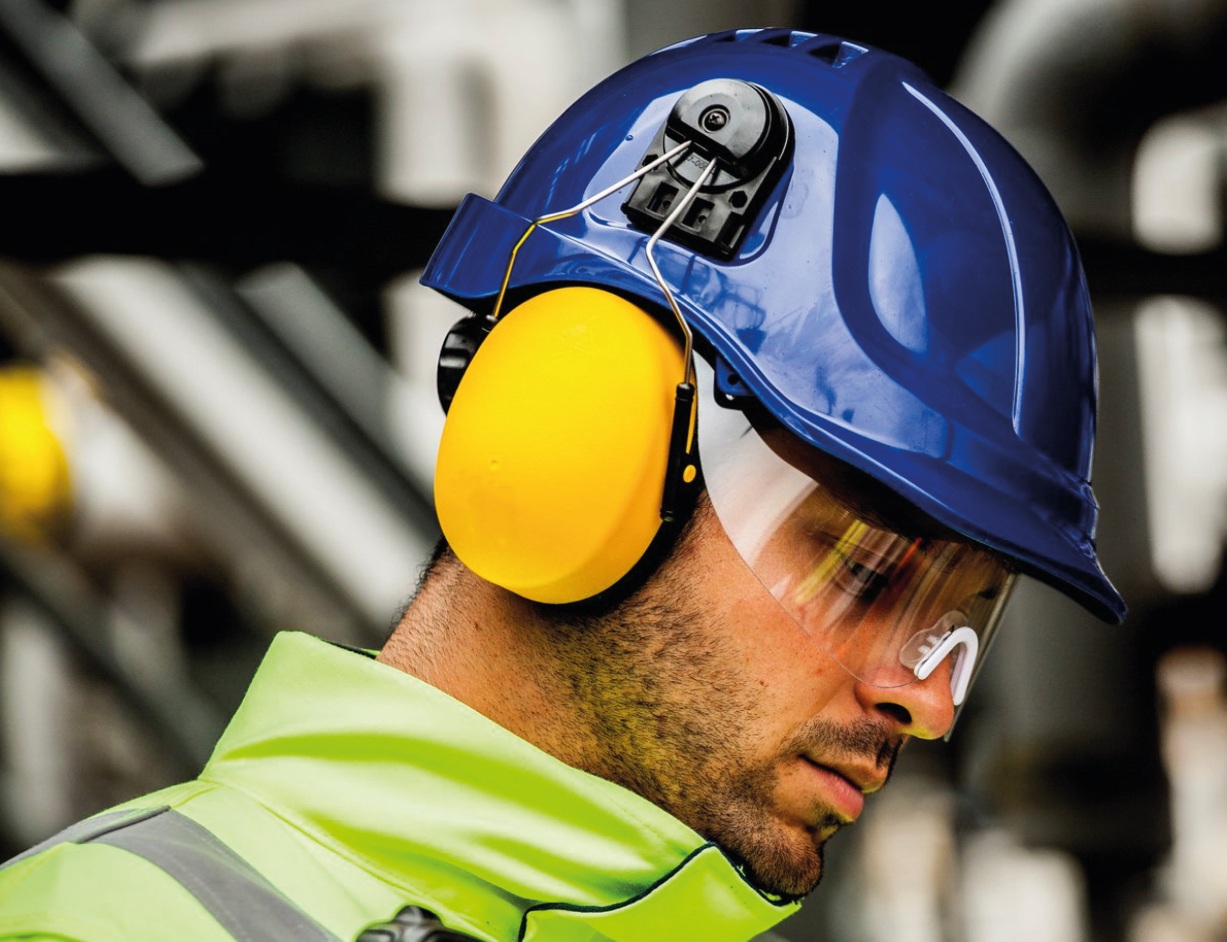
* Keep hearing protection attached to your hard hat where possible.
* Replace damaged ear cushions immediately.
* Wear hearing protection even for "quick jobs" involving power tools.
* Be aware that several moderate noise sources combined can create significant exposure over a full day.
* Use hearing protection that is compatible with hard hats, safety glasses and respiratory protection.
General building work.
We recommend ear defenders with an SNR of 28–32.
Carpentry and joinery on site.
We recommend bluetooth earplugs or electronic ear defenders,
with foam earplugs kept as backup.
Heavy demolition or concrete work.
We recommened double protection, use foam earplugs plus ear defenders with an SNR of at least 30.
Whether you're in the workshop or on site, the principle remains the same: if you need to raise your voice to speak to someone a couple of metres away, the environment is likely noisy enough that hearing protection should be worn.
No items in this category