✔ Competitive Pricing ✔ Quality Service ✔ Extensive Stock ✔ Experienced Staff





 01726 828 388


Reset Filter
 Price
PriceBasic Guide to Woodworking Health and Safety
Woodworking Health and Safety Guide
Woodworking is a rewarding and enjoyable activity, but it presents a range of hazards such as: sharp tools, dust, noise, moving machinery and hazardous substances. This guide outlines good health and safety practices for woodworking in accordance with UK workplace and workshop safety principles.
General Safety Principles
Before beginning any woodworking task:
* Ensure you are trained and competent to use the tools and equipment involved.
* Keep the workshop clean, tidy, and well-lit.
* Maintain clear walkways and emergency exits.
* Never work when tired, distracted, under the influence of alcohol, or taking medication that may impair judgement.
* Familiarise yourself with emergency procedures and the location of first aid equipment.
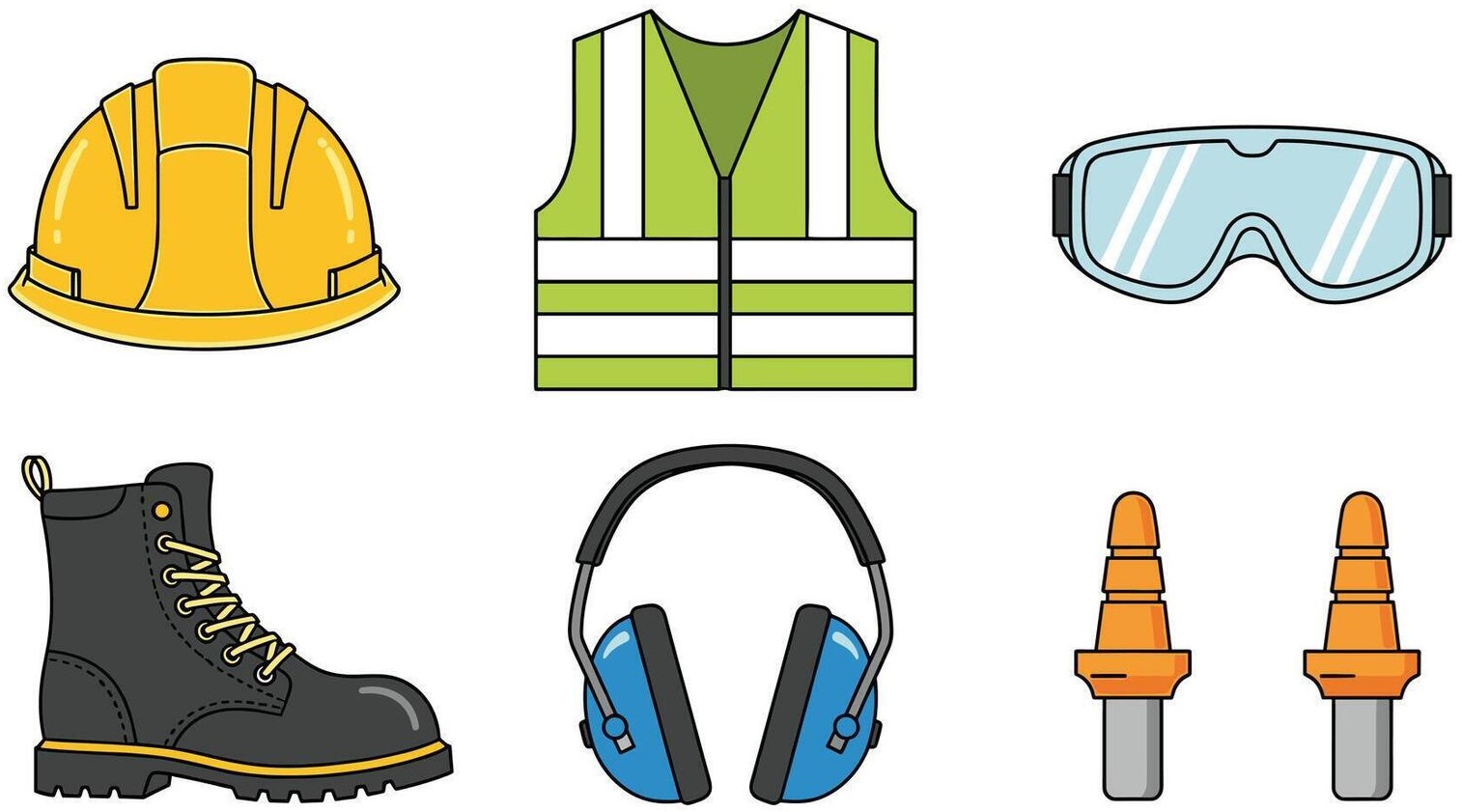
Personal Protective Equipment (PPE)
Appropriate PPE should be worn whenever necessary.
Eye Protection
* Wear safety glasses or goggles when cutting, drilling, sanding or turning wood.
* Ensure eye protection complies with UK safety standards (e.g. EN 166).
Hearing Protection
* Use ear defenders or ear plugs when operating noisy machinery such as: circular saws, planer thicknessers, routers and sanders.
Respiratory Protection
* Wear a suitable dust mask or respirator when: sanding, machining wood, working with MDF or engineered boards.
Foot Protection
* Wear sturdy, closed-toe footwear.
* Safety boots are recommended in professional workshops.
Clothing
* Avoid loose clothing, jewellery, scarves, and ties.
* Tie back long hair.
* Do not wear gloves when operating rotating machinery, as they may become entangled.
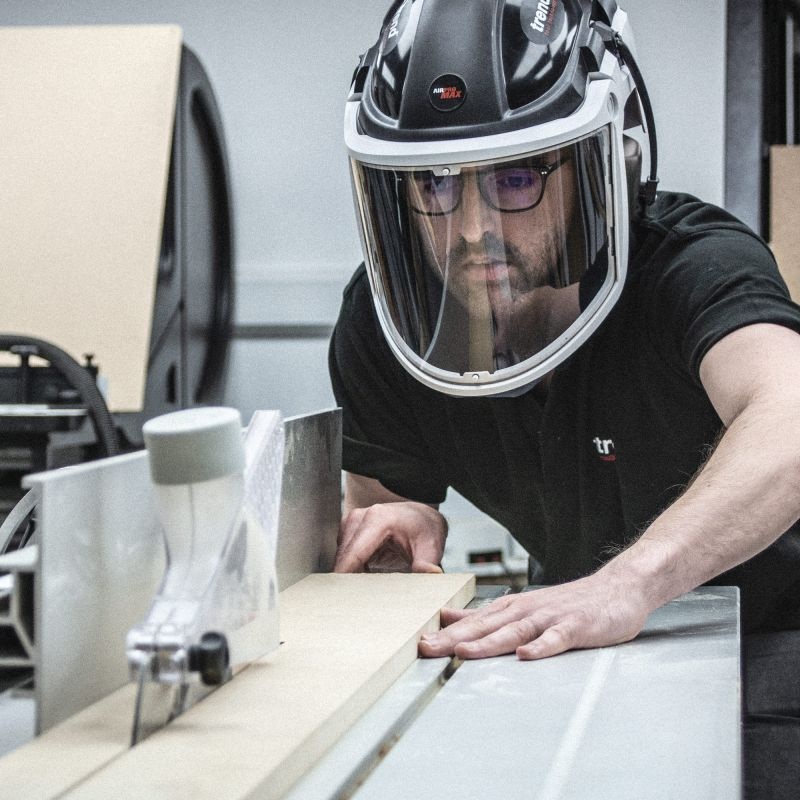
Workshop Housekeeping
Good housekeeping significantly reduces the risk of accidents.
Keep work areas clean
* Remove waste timber regularly.
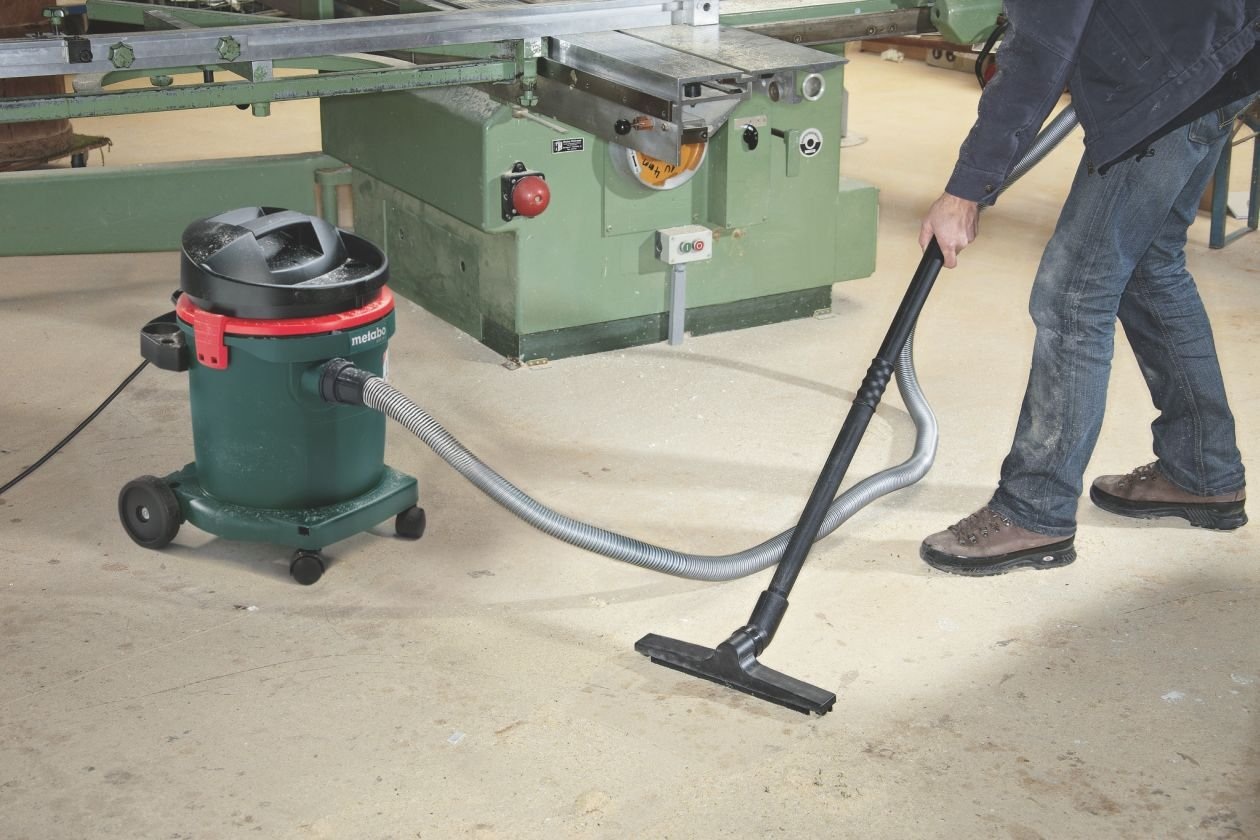
* Sweep or vacuum wood dust and shavings.
* Clean spills immediately.
Store materials safely
* Stack timber securely.
* Store sharp tools in racks or cabinets.
* Keep chemicals in clearly labelled containers.
Lighting
* Ensure work areas are adequately illuminated.
* Supplement with task lighting where required.
Safe Use of Hand Tools
Inspect before use
* Check tools for damage.
* Ensure handles are sucure.
* Keep cutting tools sharp.
Safe working practices
* Use the correct tool for the job.
* Cut away from your body.
* Maintain a stable working position.
Storage
* Return tools to designated storage after use.
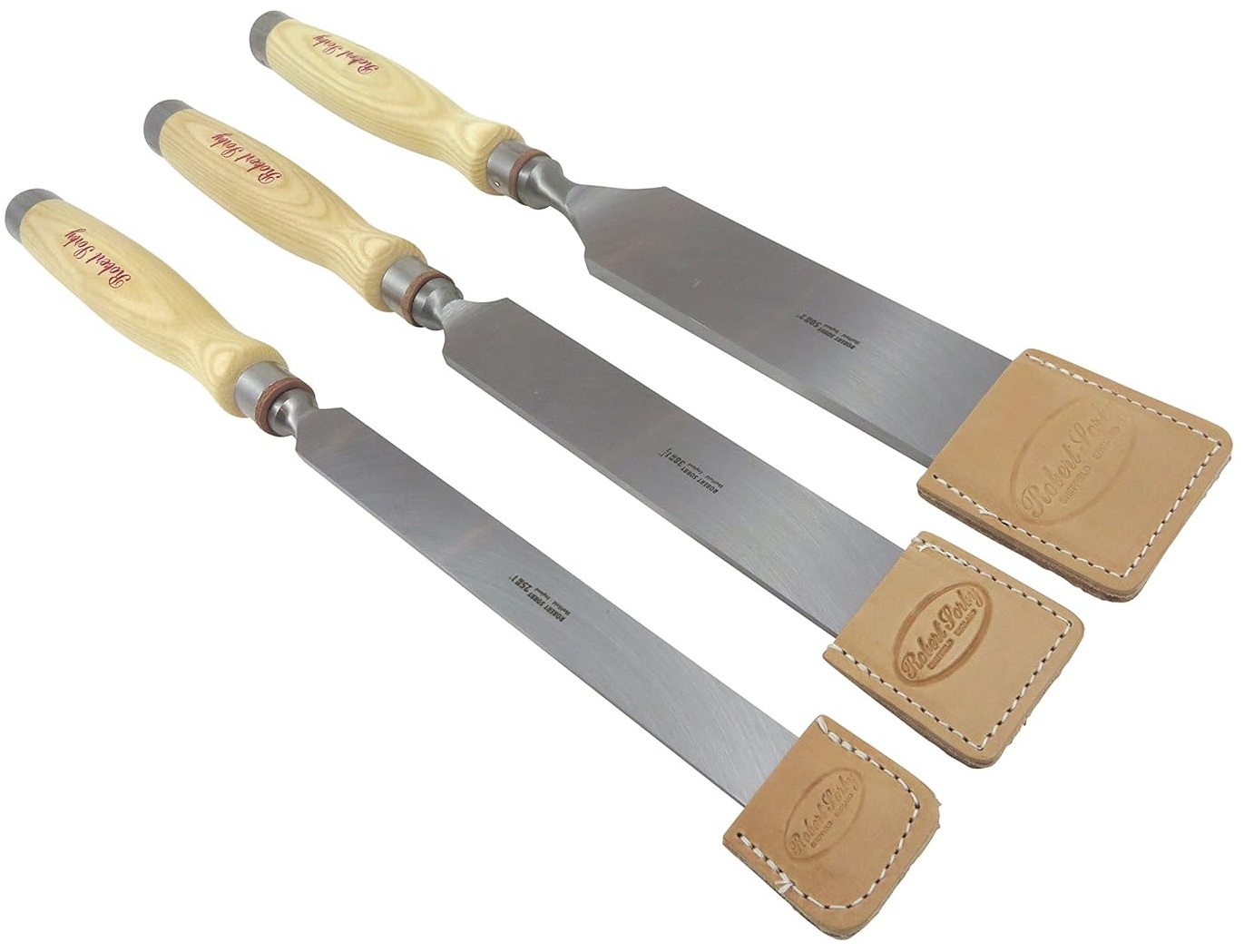
* Protect sharp edges with covers where appropriate.
Safe Use of Woodworking Machinery
Pre-Use Checks
* Inspect machinery before use.
* Ensure guards are fitted and functioning correctly.
* Check emergency stop controls.
During Operation
* Follow manufacturer's instructions.
* Keep hands clear of moving parts.
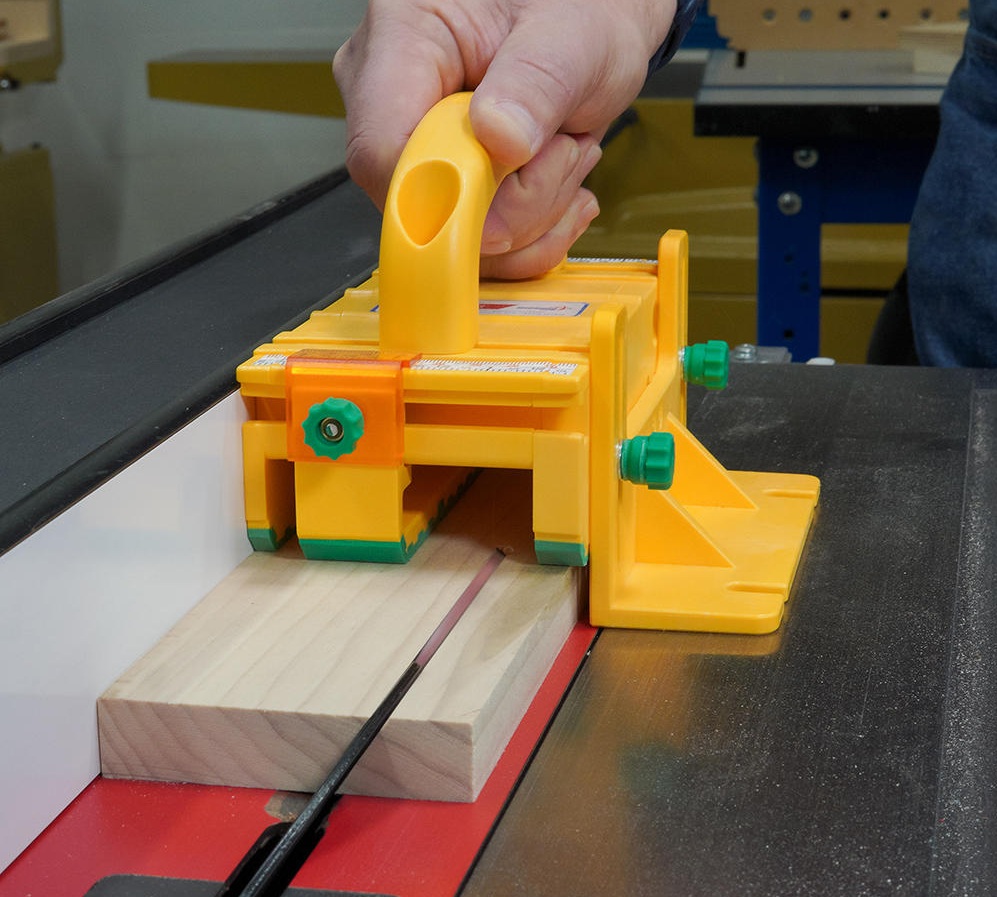
* Use push sticks and push blocks when required.
* Never bypass safety guards.
* Wait until machinery has stopped completely before making adjustments.
Isolation
* Disconnect or isolate machinery before maintenance, cleaning, blade changes and clearing jams.
Wood Dust Control
Wood dust can present serious health risks.
Exposure to wood dust may cause:
* Eye irritation
* Skin irritation
* Asthma
* Respiratory disease
* Nasal cancer (particularly from hardwood dust)
Control measures:
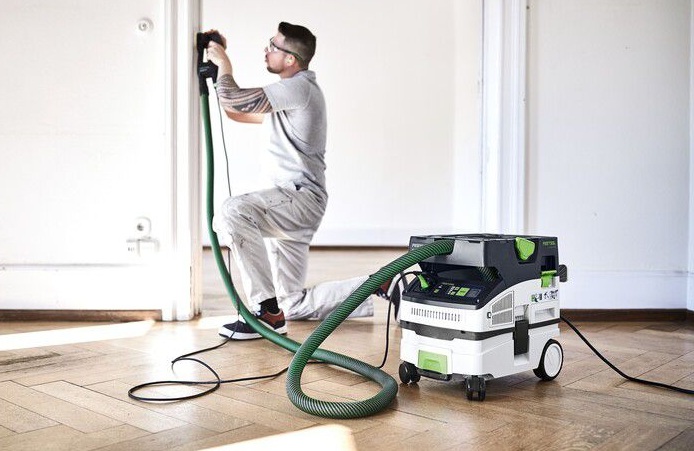
* Use local exhaust ventilation (LEV) where available.
* Connect machinery to dust extraction systems.
* Clean with a vacuum system rather than dry sweeping.
* Wear appropriate respiratory protection.
See our Dust Extraction guides for more information.
Hazardous Substances
Woodworking often involves chemicals such as:
* Adhesives
* Finishes
* Solvents
* Paints
* Preservatives
Safe Handling
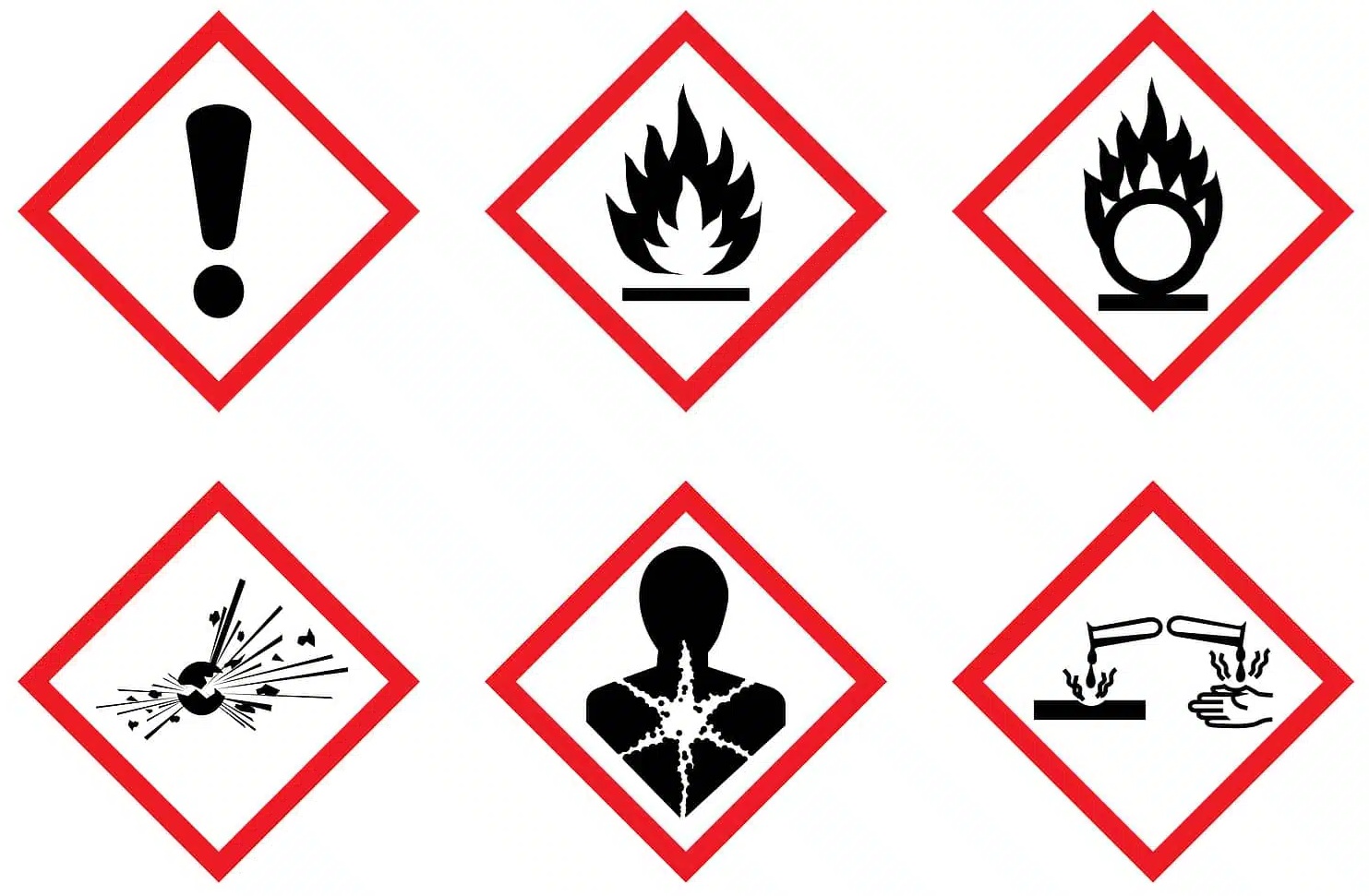
* Read product labels and safety data sheets.
* Ensure good ventilation.
* Avoid skin contact.
* Keep containers closed when not in use.
Storage
* Store flammable products away from ignition sources.
* Follow manufacturer recommendations.
Fire Safety
Woodworking environments can pose a significant fire risk.
Common sources of fire
* Wood dust accumulation
* Flammable finishes and solvents
* Faulty electrical equipment
* Hot work activities
Prevention
* Keep dust levels under control.
* Store flammable materials correctly.
* Inspect electrical equipment regularly.
* Prohibit smoking within the workshop.
Emergency preparedness
* Provide suitable fire extinguishers.
* Keep access routes clear.
* Ensure all users know evacuation procedures.

Manual Handling
Improper lifting can result in injury.
Safe Lifting Techniques
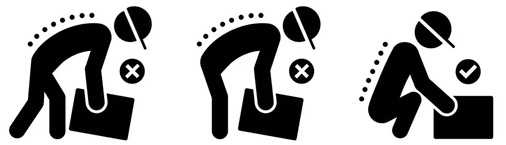
* Assess the load before lifting.
* Keep the load close to your body.
* Bend your knees, not your back.
* Avoid twisting while carrying materials.
* Seek assistance for heavy or awkward loads.
Electrical Safety
Equipment Checks
* Inspect leads, plugs, and equipment regularly.
* Report damaged equipment immediately.
* Do not use defective tools.
Safe Practices
* Keep electrical equipment dry.
* Avoid overloading sockets.
* Use Residual Current Devices (RCDs) where appropriate.

First Aid and Emergency Procedures
Workshops should have:
* A stocked first aid kit
* Access to a trained first aider where applicable
* Means of contacting emergency services
Reporting
* Report all accidents and near misses.
* Investigate incidents to prevent recurrence.

Risk Assessment
Before commencing work:
1 - Identify hazards.
2 - Assess who may be harmed.
3 - Evaluate risks.
4 - Implement control measures.
5 - Review and update assessments regularly.

Summary
Safe woodworking relies on good planning, proper training, suitable PPE, effective dust control, safe use of tools and machinery, and good housekeeping standards. By following these health and safety principles, woodworkers can significantly reduce the risk of injury and ill health while maintaining a safe and productive workshop environment.
Use the following links to find our health and safety equipment:
No items in this category